
Plastic modular belts have become a fixed, indispensable part of materials handling in many areas of production in recent decades.
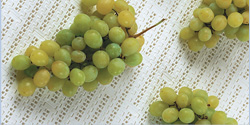
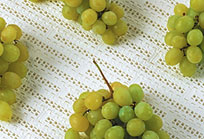
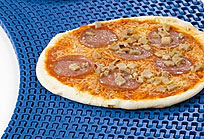
Applications extend from food production (from bakery items to meat, poultry, vegetables and ready-to-serve meals) to the beverages industry, corrugated cardboard and furniture production, logistics lines and automotive production lines, to mention just a few of the many fields in which modular belts are used.
The advantages of the different construction types can among others be found in the simple construction and assembly of conveyor equipment, the positive drive using chain wheels and the transverse stability (for example, makes lateral loading possible).
Liquid and gas permeability permit applications involving draining and drying. Easy assembly/dismantling and the ability to exchange individual modules quickly and without special tools in the event of damage mean that downtimes are kept to a minimum and cost efficiency is high.
The various straight running uni-modular belts with their particular features are tailored to the special needs of users, e.g. ease of cleaning, abrasion resistance and extreme load-bearing capacity. They are used in horizontal conveyors and buffer areas, as well as in inclined conveyors with or without a rubber surface and/or with product supports.